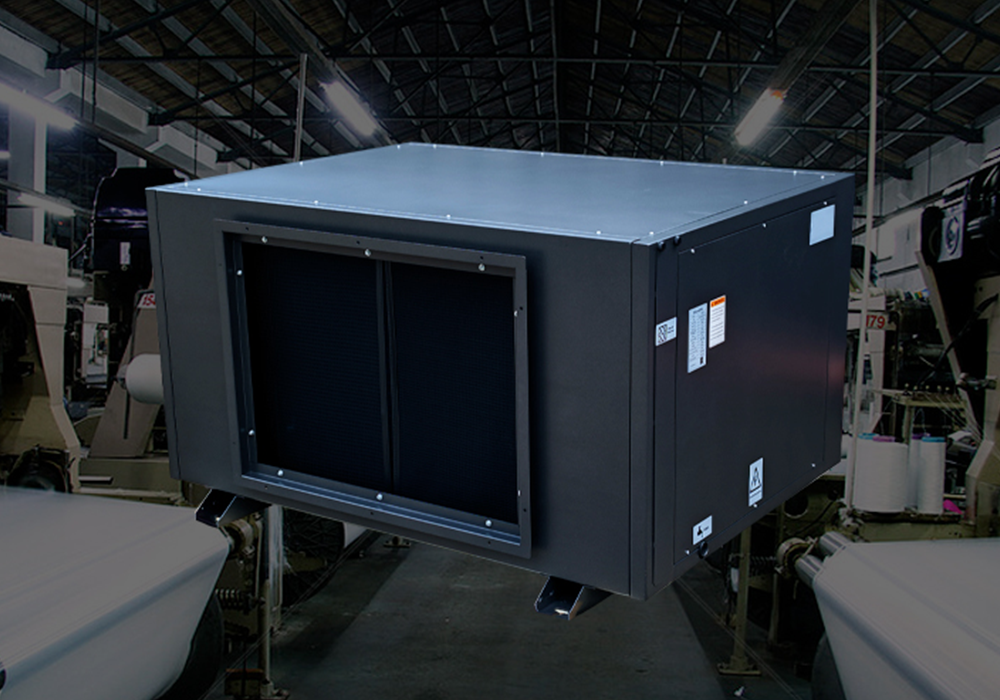
Deciding an appropriate industrial moisture remover has the potential to be a daunting responsibility. Essential points involve the capacity you need to eliminate humidity from, the humidity level present, and the surroundings it will be operated in—namely a basement, warehouse, or industrial facility. You’ll also are required to consider a refrigerant-based unit, a desiccant dehumidifier, or perhaps a combination. Furthermore, assessing the energy economy and noise levels is crucial, as well as examining features like automatic shutoff, humidistat control, and portability. Ignoring these fundamental factors can lead to an disadvantageous or even unfavorable flaw.
Selecting PreClimate vs. Common Moisture Removers: Which is Recommended for Your Firm?
Once maintaining your office location from overmuch moisture, the selection between a PreClimate system and a usual dehumidifier can be difficult. Classic units are generally budget-friendly upfront and offer a effective solution, but often require frequent servicing and can disrupt workflow with their obtrusive operation. SmartAir solutions, however, leverage breakthrough sensor technology to provide precise dehumidification only when and where it's necessary, potentially leading to notable energy lessening and a more satisfying environment for your staff. Evaluating your specific necessities, including space size, moisture levels, and budget constraints, is key to settling on the prime choice.
Bathroom Humidity Solutions: Examining Ceiling Dehumidifiers
Controlling notable humidity in your powder room can be a real complication, leading to fungal infestation growth and damage. While ventilation fans are habitual, they aren't always enough. Increasingly, homeowners are evaluating ceiling dehumidifiers as an effective option. These units, mounted directly to the overhead structure, offer a more targeted approach, drawing out moisture at its source. Compared to portable models, they're often quieter and can provide consistent capability without taking up valuable floor space; however, mounting usually requires some electrical knowledge.
Premier Group of five Commercial Moisture Extracting System Suppliers in Recent Year
Going with the fitting commercial dehumidifier is paramount for maintaining superior conditions in various environments. As reported by recent investigations, here are five notable manufacturers as of now taking charge of the field. At the outset, Desiccant Technology Systems furnishes robust and energy-efficient solutions for demanding applications. Then, Quest Manufacturing is respected for their high-capacity units and consistent performance. Additionally, Milwaukee Equipment specializes in heavy-duty dehumidifiers perfect for large-scale settings. Besides, Ebtec is a notable choice, offering a broad range of models to suit different needs and budgets. In conclusion, QuestAir provides breakthrough technology and exceptional customer aid. It’s always wise to meticulously compare specifications and read testimonials before making a final purchase.
Organizational Dehumidifiers: Sizing, Types & Cost Points
Deciding on a proper commercial dehumidifier involves thorough planning to confirm top performance and affordability. Precise sizing is crucial; too small, and it won't manage air dampness, while a unit that’s too large will be using electricity and raising costs. Dehumidifier types diverge greatly; options include refrigerant-based models, which are generally more capable for higher humidity environments, and desiccant-based systems, more appropriate for lower temperatures.Financial components extend beyond the initial purchase price; ongoing energy consumption, maintenance requirements (like filter replacements), and potential repair expenses all play a vital function.
- Chill Dehumidifiers: Best for temperate humidity.
- Absorption-Based Dehumidifiers: Preferred for cooler environments and areas needing very dry conditions.
- Volume Measurement Aspects: Consider measurement, building construction, initial humidity level and ventilation rates.
Mounting a Ceiling Dehumidifier in Your Bathroom - A Step-by-Step Guide
To kick off your ceiling dehumidifier setup project, conscientiously plan the positioning. You’ll want a strong joist to carry the device's weight. Subsequently, shut off the power at the main switch. After that, indicate the desired spot on the ceiling and drill pilot holes for your mounting brackets, ensuring they are securely fastened. The genuine unit typically mounts using screws or bolts; be sure to employ hardware rated for the weight of the dehumidifier and drywall. Finally, fasten the wiring according to the manufacturer’s instructions – if you're uncomfortable with electrical work, it’s best to hire a qualified electrician. Constantly test the operation after completing the undertaking!
Perks of Preair Technology for Industrial Dehumidification
Preair technology constitutes a substantial advancement in industrial dehumidification, affording numerous strengths over classic methods. This innovative approach utilizes a pre-cooling stage, which drops the moisture content of incoming air before it reaches the ceiling mount dehumidifier desiccant wheel or refrigeration system. Therefore, this leads to a clear reduction in energy consumption and enhanced overall efficiency.
Specifically, Preair technology can help businesses:
- Minimize operating costs related to power usage.
- Increase the lifespan of desiccant wheels or refrigeration components by mitigating their workload.
- Acquire lower dew point temperatures, leading to a drier environment for sensitive processes such as electronics manufacturing, pharmaceutical production, and food processing.
- Assist sustainability initiatives through decreased energy footprint.
Keeping Maximum Performance: Organizational Dehumidifier Maintenance Tips
To secure your commercial dehumidifier’s service life and dependable performance, regular maintenance is absolutely vital. Launch by intermittently inspecting the drain line for any blockages; a clogged drain can lead to serious problems. Then, scrub the air filter every month – or more frequently if it gets grimy– to raise airflow and energy efficiency. Furthermore, check the condensate pan for mold or mildew and thoroughly sanitize it as needed. Finally, consider having a qualified technician perform an annual professional inspection and check-up to catch any developing issues before they become costly mendings.
Differentiating Options: Different Types of Commercial Dehumidifiers
As selecting a business dehumidifier, understanding the diverse types is vital. Coolant-driven models are typical, with refrigerant units being advantageous for areas with intermediate humidity and temperatures, while desiccant systems excel in colder environments. Another option, heat-pump dehumidifiers offer both drying and heating capabilities, though they can be more high-priced. Finally, consider the size – from smaller, portable units to large, whole-building systems; matching capacity to your space is critical for optimal performance.